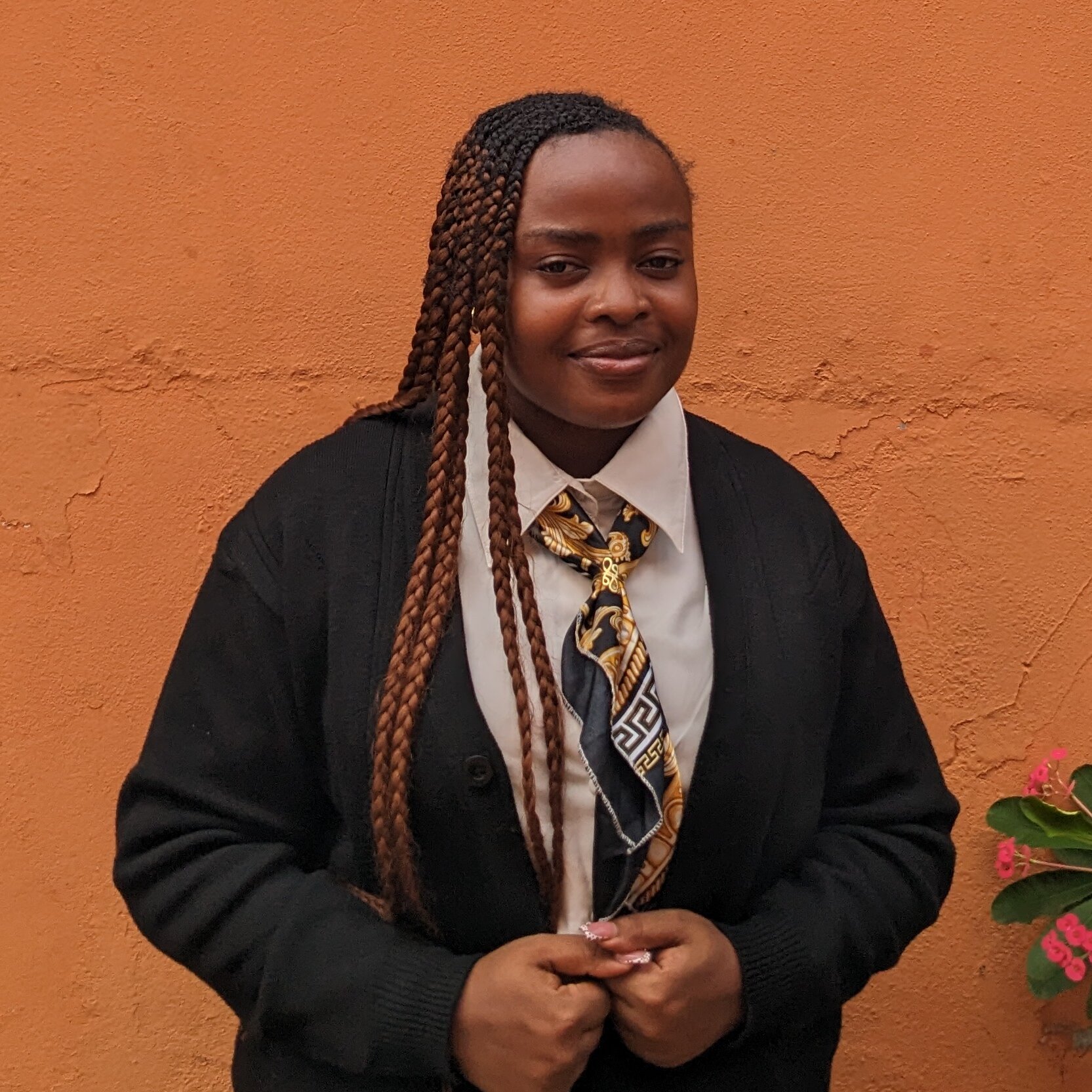
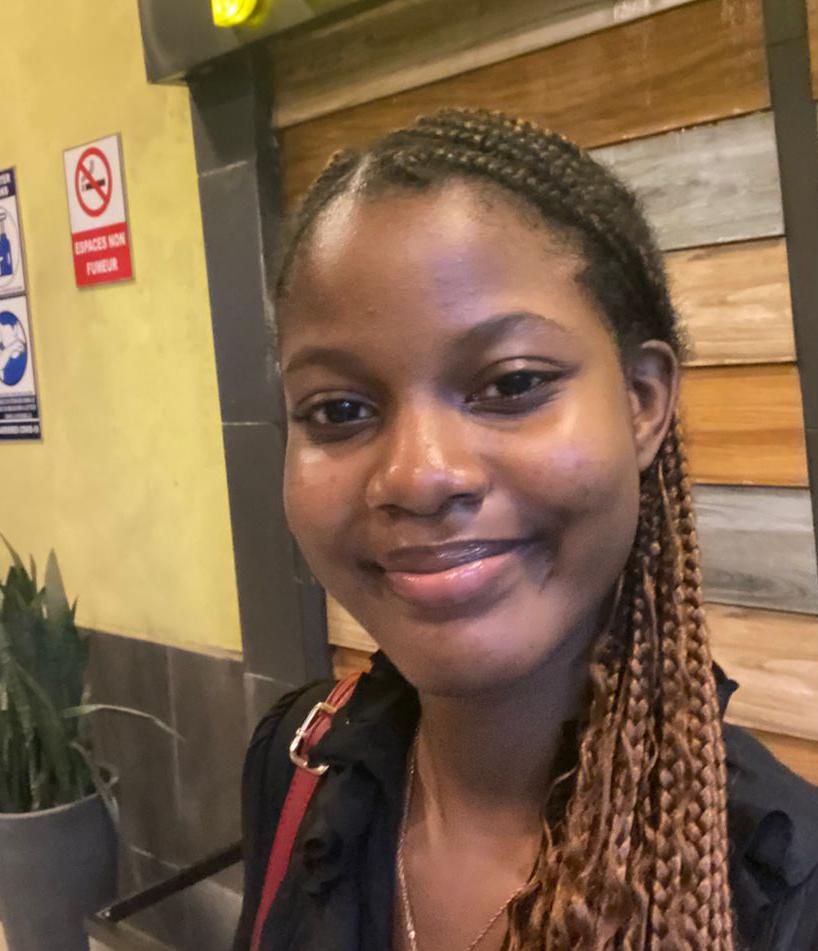
FarmLink Intelligence is a final-year OOAD project by eight Computer Science students at
The ICT University — combining software engineering and IoT hardware to solve real problems
in Cameroonian agriculture.
8
Team members
28
Pages built
5
Sensor types
10
Cameroon regions
Team photograph — all 8 members
Replace this placeholder with your actual team photo before launch
Our mission
Close the trust gap between farmers and buyers
Agriculture accounts for over 20% of Cameroon's GDP. Yet smallholder farmers —
the backbone of the sector — sell to middlemen at a fraction of the real market
price, because buyers have no way to trust quality claims made online.
FarmLink Intelligence changes this by attaching real IoT sensor data directly
to every marketplace listing. Quality is no longer a claim — it is a measurement.
Trust is no longer assumed — it is computed from every transaction.
We built this platform as engineering students who see this problem every day.
Our goal was never to build another marketplace. Our goal was to build a
supply intelligence engine.
Transparency
Every quality score shows its sensor source. Buyers never see a naked number without understanding where it came from.
Trust
Farmer reliability is earned through real transaction history — not self-reported. Honest farmers gain a visible competitive advantage.
Farmer-first
Every complex action is broken into the smallest possible steps. If a farmer with limited tech experience cannot complete it in 3 minutes, the design has failed.
Data integrity
Anything the system computes automatically — quality score, trust score, harvest forecast — is read-only. Farmers cannot edit what sensors measure.
"Don't build a marketplace. Build a supply intelligence engine that connects
sensor data, trust reputation, and predictive forecasting into a single
farm-to-buyer pipeline."
These three problems exist simultaneously in Cameroonian agriculture. FarmLink Intelligence is the first platform designed to solve all three at once.
01
Market invisibility
Cameroonian smallholder farmers have no direct channel to urban buyers. They sell
through intermediaries at a fraction of the real price — not because their produce
is inferior, but because they are invisible in the market. Buyers, meanwhile,
have no way to reach farmers directly, so they rely on middlemen who inflate costs.
FarmLink solution: Direct farmer-to-buyer marketplace with verified listings
02
Unverifiable quality claims
Any farmer can type "high quality produce" in a listing. Without hardware evidence,
buyers have no way to know if this is true. The result is a trust deficit that
prevents online agricultural commerce from functioning. Even genuinely high-quality
farmers cannot differentiate themselves from dishonest ones.
Buyers cannot plan procurement ahead of time because no platform tells them when
a harvest will be ready. This leads to last-minute, reactive purchasing — driving
up prices, increasing waste, and making supply chains fragile. Farmers also lose
out because buyers are not waiting for them.
FarmLink solution: 28-day harvest forecast engine with automatic buyer alerts
The team
Built by students, for Cameroon
Eight Computer Science students at The ICT University — two teams working in parallel on software and hardware.
Website & Database Team — 5 members
MN
Mark Ajinwi Nditapah
ICTU20241443
Project Lead · Backend
Leads the FarmLink Intelligence project end-to-end — architecting the Flask backend,
designing the database schema, and coordinating the full team. Responsible for the
application factory, blueprint structure, and Flask-Login authentication system.
FlaskMySQLSQLAlchemySystem Design
FE
Fotsi Fotsi Eric Yann
ICTU20241373
Backend Developer
Builds the core server-side logic powering FarmLink — from API route handling to
sensor data ingestion. Works closely with the IoT team to ensure Firebase readings
arrive cleanly into MySQL and trigger the quality scoring pipeline.
PythonFlask RoutesREST APIFirebase Bridge
KB
Kokomo Bineli Franck Donald
ICTU20241422
Database & Backend
Designs and maintains the relational database at the heart of FarmLink — defining
every table, relationship, and constraint that connects users, farms, sensor
readings, listings, and alerts into a single coherent data model.
MySQLSchema DesignSQLAlchemy ORMData Modelling
DA
Kamdem Djoukouo Daniella
ICTU20241402
Frontend Developer
Translates wireframes into pixel-perfect, responsive HTML and CSS across the
FarmLink portal pages. Ensures every interface follows the design specification —
from colour variables and typography to component reuse and mobile responsiveness.
HTML5CSS3JavaScriptResponsive Design
FL
Formate Miranda Lea
ICTU20241643
Frontend Developer
Crafts the user-facing pages of FarmLink Intelligence — building responsive,
accessible interfaces that work seamlessly across devices. Focuses on delivering
a clean, intuitive experience for both farmers and buyers navigating the platform.
HTML5CSS3JavaScriptUI Design
IoT & Hardware Team — 3 members
RO
Imouck Njoh Rosaline Lashinda
ICTU20241501
IoT Hardware
Assembles and calibrates the physical sensor nodes deployed on Cameroonian farms —
integrating the DHT22, soil moisture sensor, BH1750 light sensor, and DS3231 RTC
onto the Arduino Uno board and validating readings for accuracy in the field.
Arduino UnoDHT22BH1750Circuit Assembly
OM
Guintang Ondoua Marie Pierre
ICTU20241644
Firebase Integration
Builds and maintains the real-time data bridge between the ESP8266 Wi-Fi module
and Firebase Realtime Database — ensuring every sensor reading is transmitted,
stored, and then synced reliably into the MySQL application database.
ESP8266FirebaseRealtime DBMySQL Sync
CH
Kankeu Tene Charles Junior
ICTU20241526
Sensor Firmware
Writes the C++ firmware running on each Arduino node — programming the 30-minute
reading loop, managing the DS3231 real-time clock for accurate timestamps,
and handling offline buffering so no readings are lost during connectivity gaps.
C++ / Arduino IDEDS3231 RTCFirmware LoopsOffline Buffering
Ready to join?
Whether you grow it or buy it — there is a place for you here.
Registration is free for both farmers and buyers. No middlemen. No hidden fees.